
How to Parry in Blood of Dawnwalker: Complete Guide
Learn how to parry in Blood of Dawnwalker using directional defense, attack indicators, timing, stamina awareness, camera choices, and confirmed combat rules.
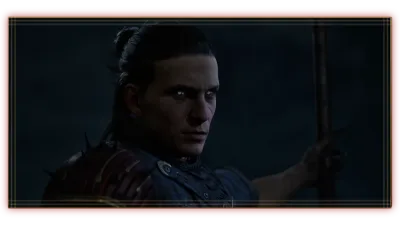
How do you parry in Blood of Dawnwalker?
To parry in Blood of Dawnwalker, read the direction shown for the incoming strike, match that direction with your defense, and respond close to the moment of impact. The collected combat material describes upward, downward, left, and right directions rather than one universal defensive input. Direction and timing both matter, but the final buttons and exact timing window are To be confirmed.
The system is built around watching the opponent’s action instead of reacting only to the player character. A directional indicator appears with an incoming attack, giving the player information about the side that must be defended. The reliable rule is to match the displayed direction; claims about frame-perfect timing, input buffering, or a guaranteed rhythm are not supported by the supplied information.
What should you look at before pressing parry?
Focus first on the incoming-direction display and then confirm the movement of the attack itself. The combat HUD material describes a small icon and directional cue that identify where the strike is coming from, while a yellow indicator is associated with a valid direction in the collected preview information. Reading both the cue and the enemy helps prevent a guess based only on the character animation.
The preview interface may change before or after release, so the indicator’s final color, position, and accessibility options are To be confirmed. The sources establish the directional idea, but they do not provide a complete launch UI reference for every platform. If the final tutorial uses different terminology, follow the in-game prompt while preserving the same basic sequence of read, match, and time.
How do direction and timing work together?
Choosing the correct direction is necessary, but the collected material also says the response must be timed. A correct direction held or pressed at the wrong moment may function differently from a successful parry, although the final distinction between a normal block and a parry is not fully documented. No official frame count or universal number of milliseconds has been published in the supplied sources.
This means the safest practice is to avoid inventing a countdown. Watch the incoming strike, select the matching direction, and use the game’s feedback to learn when a successful response occurs. Timing changes across weapons, enemies, difficulty settings, and accessibility options are To be confirmed, so one preview encounter cannot establish a permanent window for every fight.
What is the difference between blocking, dodging, and parrying?
The collected combat overview identifies dodging and parrying as available defensive responses, and preview commentary also describes a broader block option. A parry uses the incoming direction and timing to answer a strike, while a dodge avoids the attack through movement. The exact protection, recovery, and resource cost of a general block compared with a perfect parry are To be confirmed.
Choose between these options according to the information you can actually read in the moment. If the direction is clear and the timing is familiar, a parry follows the system’s intended directional interaction; if the cue is obscured or several enemies are moving at once, repositioning or dodging may be easier to understand. That is practical guidance derived from the confirmed controls, not a claim that one defense has a proven numerical advantage.
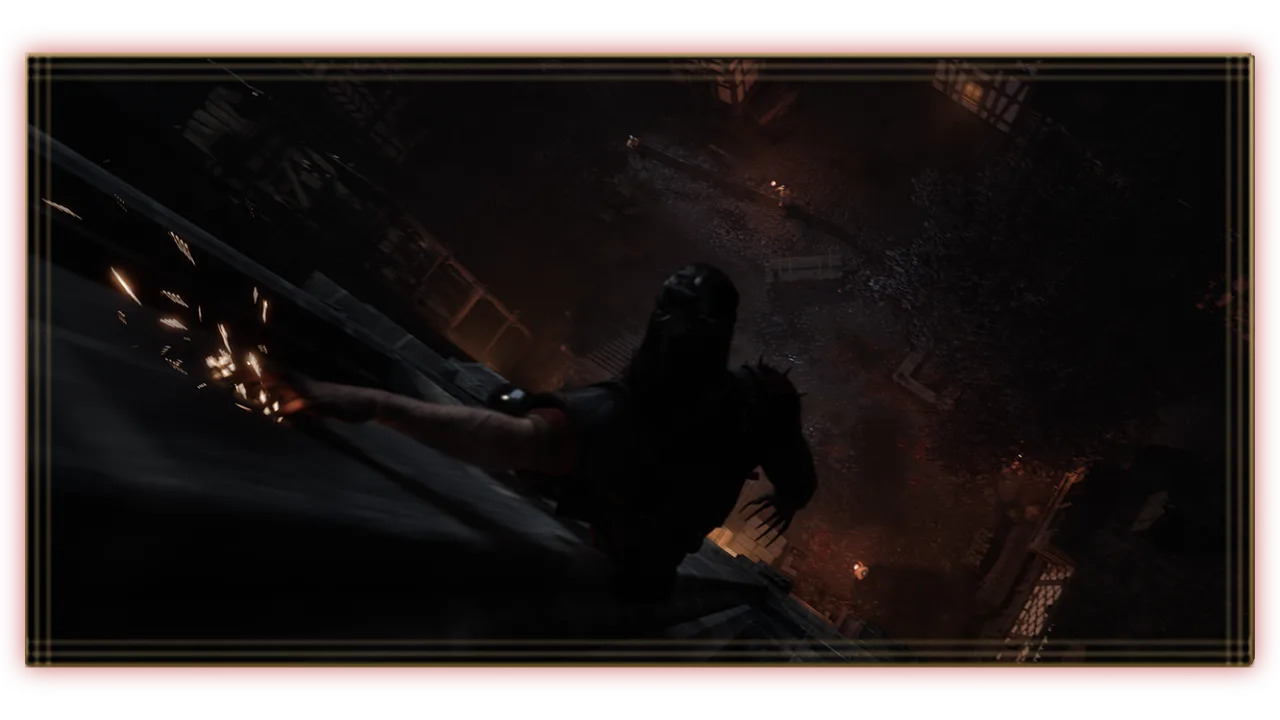
Does parrying consume stamina?
The supplied sources do not agree closely enough to publish one unconditional stamina rule. One combat description says attacks and parries consume stamina, while another preview-based explanation says a successful directional parry avoids the continuing stamina cost associated with holding block. These statements may describe different events, but the precise initial cost, failed-parry cost, and successful-parry behavior are To be confirmed.
Players should therefore watch the stamina display rather than relying on a number copied from pre-release material. The HUD places stamina with other core combat information, confirming that resource awareness matters during an exchange. Until the launch behavior can be reproduced, this page will not invent a cost or promise that every successful parry is free.
Can the combat camera make parrying easier?
The collected combat page describes close and far camera options for battle. A closer view is presented as useful when concentrating on one opponent and reading the direction of individual attacks, while a farther view provides more awareness when several enemies are approaching. These observations explain a tradeoff between detail and surrounding visibility rather than proving one camera is always superior.
Camera names, settings, and their availability in the final build are To be confirmed because the supplied official overview does not document them. If both options appear in the released game, use the closer view to study a single attack pattern and the farther view when off-screen pressure is the larger problem. The player may also need to line enemies up or reposition so that one body does not hide another attack cue.
Does parrying work during both day and night?
The collected combat material says the directional foundation continues in both human and vampire combat. During the day, Coen relies on swordplay and magic, while at night he can use vampiric abilities, claws, and a sword. The supporting toolset changes, but the preview information still describes blocking and parrying incoming moves in vampire form.
That does not establish identical animations, stamina rules, or timing for every weapon and form. Form-specific modifiers, perks, unlock requirements, and the interaction between powers and defensive inputs are To be confirmed. Treat the directional read as the shared principle and learn any form-specific differences from the final tutorial.
How should you practise the directional parry?
Start with one visible opponent and concentrate on recognizing the incoming direction before trying to respond quickly. Match the cue, observe the result, and note what the game shows for a successful defense rather than assuming every interrupted hit was a parry. Once that sequence is repeatable, test it while managing spacing and the stamina display.
Next, compare a single-opponent encounter with a group encounter, because the camera and visibility demands are different. Record only repeatable observations: the input used, whether stamina changed, what interrupted the defense, and whether the rule changed with form or difficulty. This method follows the supplied testing guidance without claiming unpublished values or turning one successful attempt into a universal strategy.

The Blood of Dawnwalker overview with directional combat footage
What does a successful defense charge?
One collected combat description says successful attacks, blocks, and parries build activation charges used for active abilities. The same material places these charges near Coen’s health information and connects them with magic or other combat actions. Exact charge gain per event, maximum capacity, and the complete list of abilities that spend them are To be confirmed.
This relationship makes defense part of the broader combat loop rather than an isolated reaction. A successful parry may protect Coen while also contributing to later ability use, but no numerical efficiency claim is justified yet. Players should use the final HUD to distinguish activation charges from health and stamina before drawing conclusions about the best way to generate them.
Which parry details remain unconfirmed?
Button mappings for keyboard, mouse, and controllers; the official frame window; difficulty modifiers; accessibility assists; stamina costs; and enemy-specific exceptions are all To be confirmed. The sources show a real directional defense system, but they do not provide the complete launch manual. No unsupported button names, frame counts, or claims that every attack can be parried are included here.
The page will need a post-release verification pass against ordinary enemies, groups, and any attacks the game explicitly marks as special. Until that testing exists, the dependable answer remains concise: read the direction, match it, and respond near impact. For the surrounding systems, see the broader gameplay guide.
Related Articles
guides
The Blood of Dawnwalker Beginner Guide
Start The Blood of Dawnwalker with a confirmed overview of Coen's forms, combat options, exploration, story choices, and the time-based quest system.
guides
The Blood of Dawnwalker Gameplay Explained
The Blood of Dawnwalker gameplay explained: learn how Coen's day and night forms, directional combat, timed quests, choices, and exploration work.
guides
The Blood of Dawnwalker Trailer Guide and Videos
Watch The Blood of Dawnwalker trailer videos and learn what each official reveal confirms about Coen, Vale Sangora, combat, choices, and day-night gameplay.
Was this helpful?
Thanks for the feedback!